What Is a Crypto Warm Wallet?
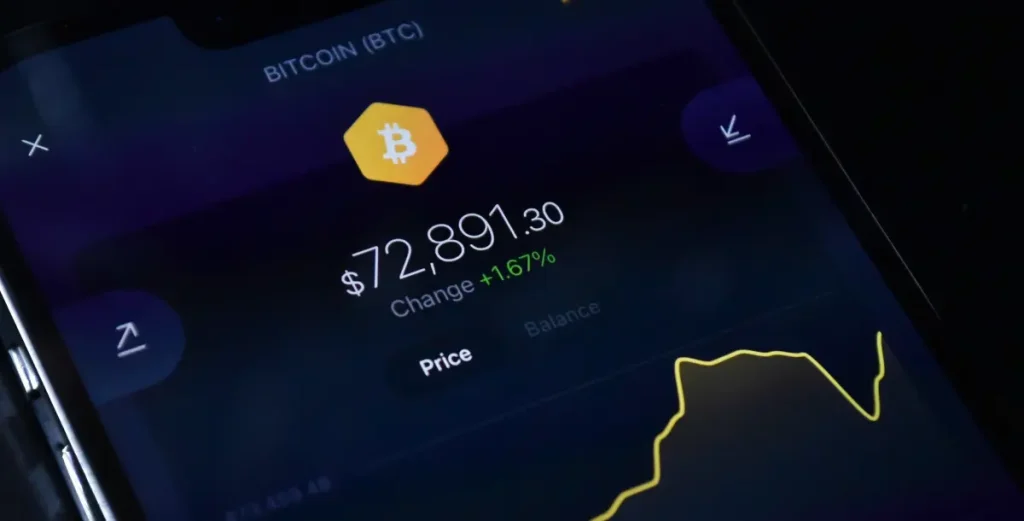
A warm wallet is an enterprise-grade crypto wallet built for assets that need to move often, but are too significant to reside in a simple hot wallet on a phone or browser. It stays connected to the internet so it can process withdrawals, transfers, and trading flows quickly—but it incorporates institutional controls such as automated […]
Crypto Hardware Wallet: What It Is and Why Businesses Use It
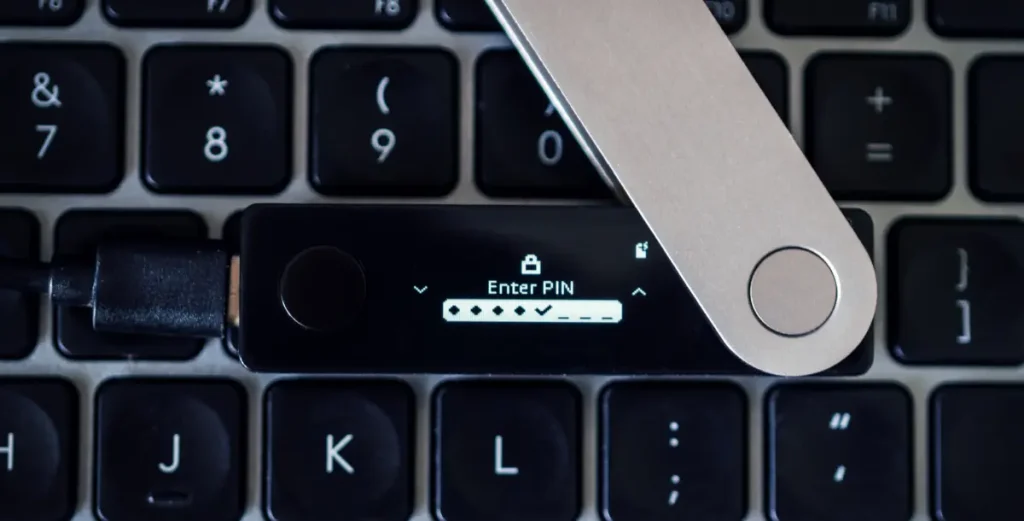
Cryptocurrency theft is not just a consumer problem; it is an enterprise crisis. With billions in digital assets lost to hacks and fraud annually, businesses holding crypto on their balance sheets cannot afford to rely on basic security measures. At the core of this security architecture lies the hardware wallet. Often misunderstood as a simple […]
Crypto Hot Wallet: Definition and How It Works
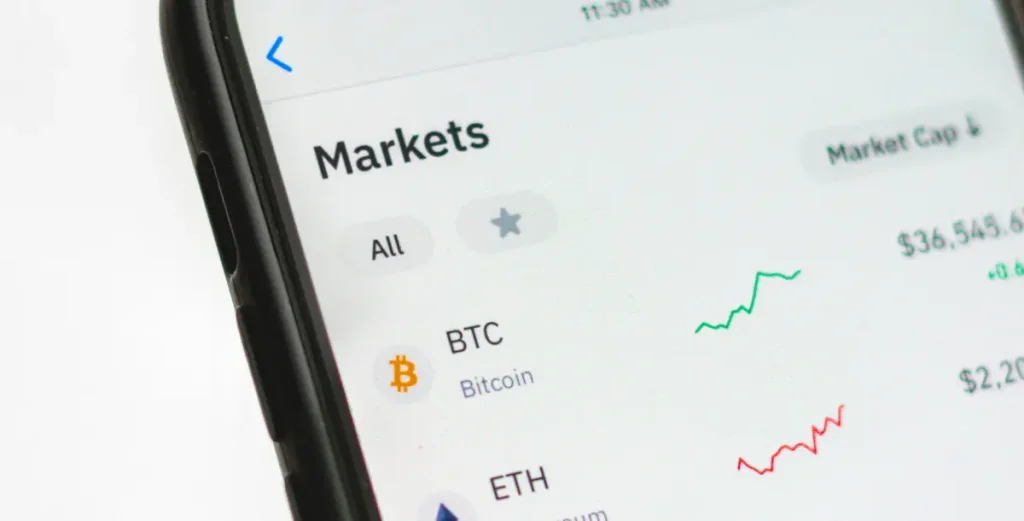
If you’ve just started exploring crypto, you’ve probably seen the term Hot Wallet everywhere—on exchanges, in DeFi apps, and inside crypto tutorials. Understanding what a hot wallet is and isn’t is one of the most important security steps you can take. What Is a Hot Wallet? A hot wallet is a crypto wallet that stays […]
What Is a Self-Custody Wallet In Cryptocurrency?
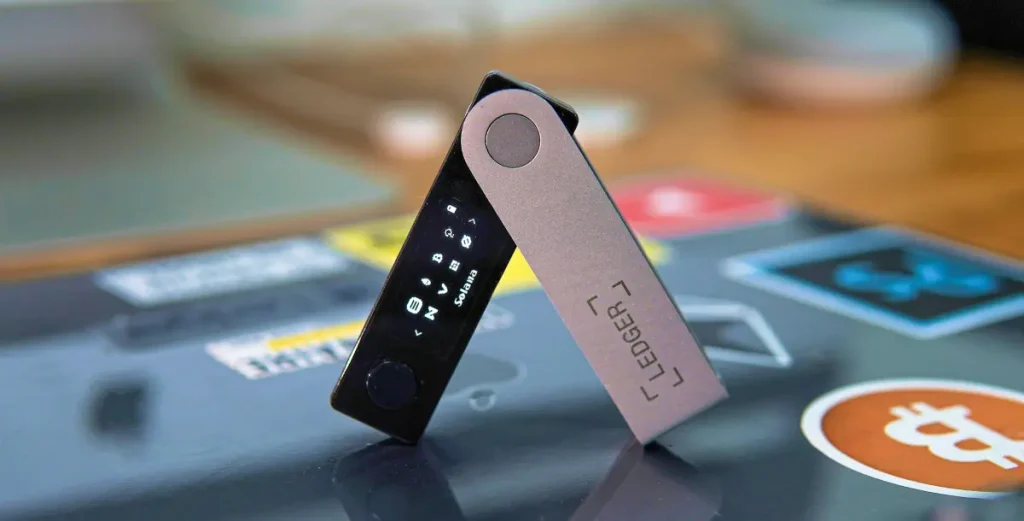
In late 2022, the collapse of FTX sent shockwaves through the crypto world, leaving millions of users unable to access their funds. It was a harsh wake-up call that reignited a crucial conversation in the industry: “Not your keys, not your coins.” Since then, the demand for true ownership has surged, making self-custody wallets one […]
Crypto Hardware Wallets: The Safest Way to Hold Your Coins Offline
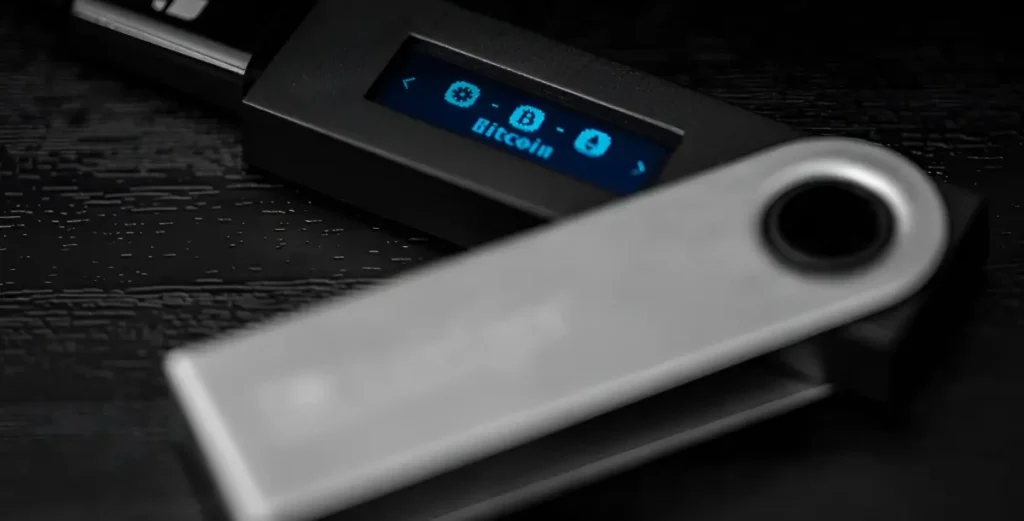
When your portfolio stops feeling like “play money” and starts looking like real savings, a hardware wallet is what keeps it safe. It’s a dedicated device built for one job: protect your keys from everything on your phone and laptop. Instead of trusting a browser extension or an app, your private keys live inside the […]
Hot vs Cold vs Warm Wallets: Which Crypto Wallet Solution Should You Choose?

A crypto wallet solution does more than “store your coins.” It stores and protects the private keys that prove ownership on the blockchain and sign transactions. How those keys are stored – online, offline, or somewhere in between – shapes your security, convenience, and the kind of crypto activity you can safely do. Most guides […]
Smart Contract Wallet: What It Is and How It Works

Most crypto teams still rely on outdated wallets with high risks; one password, one key, and no safeguards. A lost seed phrase or compromised key can mean total asset loss. Smart Contract Wallets solve this by offering programmable, policy-driven functionality designed for secure, efficient business workflows. Built on account abstraction (ERC-4337) on networks like Ethereum, […]
MPC Wallets vs Multi-Sig Wallets: Choosing the Right Key Model for Your Stack

Key Takeaways: Multi-Sig puts policy on-chain, so approval rules and signer activity are visible on the blockchain. That makes governance easier to verify and gives teams a native audit trail. MPC keeps policy off-chain while producing a standard on-chain signature. This preserves approval privacy, works across more chains, and usually lowers gas costs on EVM […]
Understanding Private Keys and Public Keys in Cryptography

Every time you send tokens, approve a transaction, or connect your wallet to a dApp (decentralized application), you’re using cryptographic keys, even if you don’t realize it. These keys quietly power the entire crypto ecosystem, determining who truly owns an asset and who has the authority to move it. At its core, the concept is […]
Understanding Cold Wallet & the Concept of Cold Storage
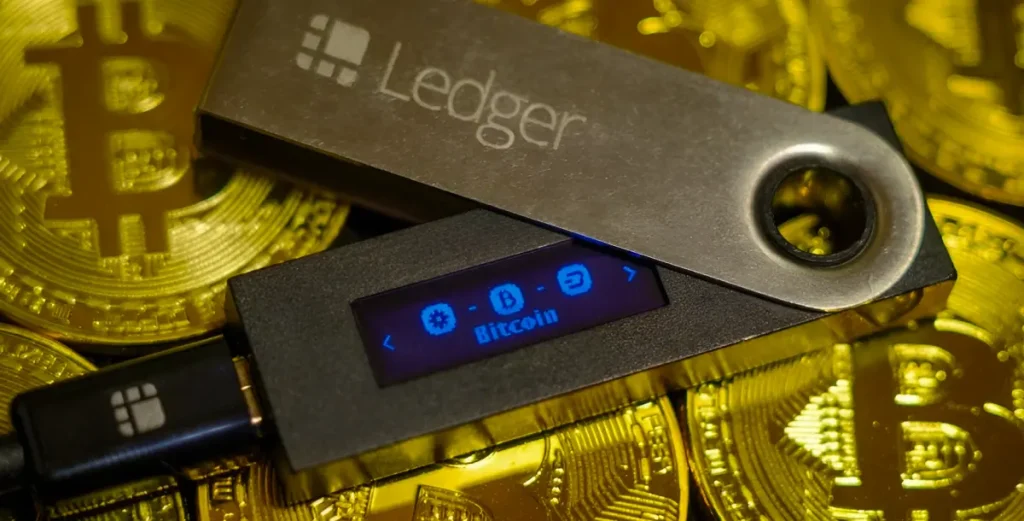
For enterprises and institutions entrusted with managing substantial crypto assets, security is mission-critical. Control over private keys directly equates to control over funds, and in the event of a breach, the consequences are immediate and irreversible. With sophisticated online attacks, ranging from targeted malware to phishing campaigns, emerging daily, robust security protocols are no longer […]