If you’ve just started exploring crypto, you’ve probably seen the term Hot Wallet everywhere—on exchanges, in DeFi apps, and inside crypto tutorials. Understanding what a hot wallet is and isn’t is one of the most important security steps you can take.
What Is a Hot Wallet?
A hot wallet is a crypto wallet that stays connected to the internet. It holds your private keys—the secret codes that control your coins—on a device or service that’s online most of the time, such as your phone, laptop, or a web server.
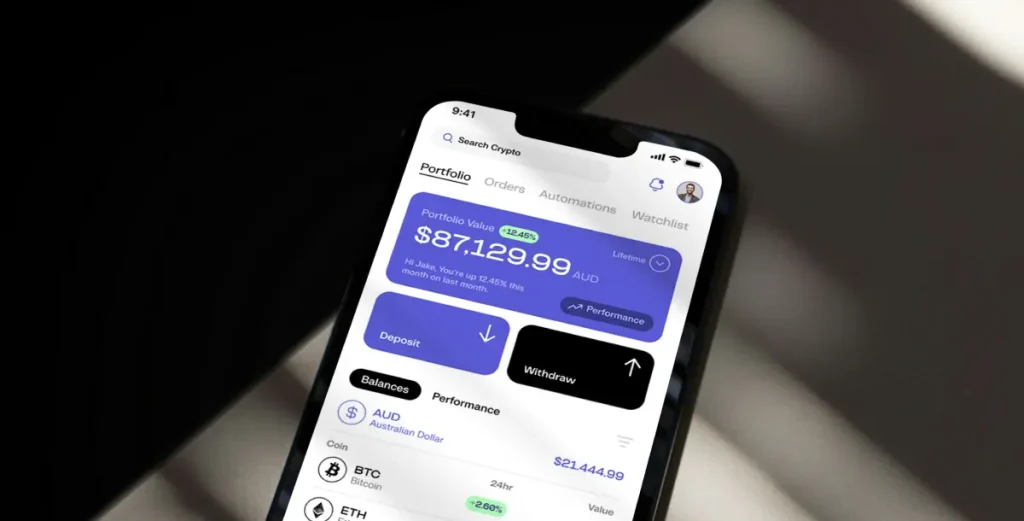
Common examples of hot wallets include the wallets inside centralized exchanges (like Binance or Coinbase), browser-based wallets such as MetaMask or Phantom, and mobile app wallets like Trust Wallet, Rainbow, or OKX Wallet.
Because they are always online, hot wallets are very convenient. They’re ideal for everyday transactions, active trading, and interacting with DeFi apps, games, and NFTs.
However, that same connectivity makes them more exposed to cyber risks such as hacking, malware, and phishing compared with offline (“cold”) storage.
A simple way to think about it is that a hot wallet is like your everyday spending account. It’s great for money you use regularly, but it’s not the best place to keep your entire life savings.
How a Hot Wallet Works
Under the hood, a Hot Wallet does three main jobs: generate keys, sign transactions, and talk to the blockchain.
1. Key Generation
When you create a new wallet, the software generates a private key and a matching public key/address using cryptography (e.g. secp256k1 for Bitcoin/EVM chains, ed25519 for Solana/Cosmos).
It encodes these keys into a 12–24 word recovery phrase (seed phrase) that can recreate your keys on another device if you lose access.
In a hot wallet, those keys or the seed are stored in:
- Encrypted form on your phone or computer
- On the exchange’s servers (if it’s a custodial wallet)
They are still reachable through an internet-connected environment, which is why security hygiene matters so much.
2. Transaction Creation and Signing
When you send crypto, you enter the recipient address and amount in your wallet/app. The wallet builds a transaction (who pays whom, how much, and any extra data like a Decentralized Finance (DeFi) call or Non Fungible Token (NFT) transfer).
Then, your private key signs the transaction inside the app or backend service. The signed transaction is broadcast to the relevant blockchain network.
On-chain, nodes verify the signature and apply the update to balances if it’s valid.
3. Network Connection and State
Hot wallets stay synced via network Remote Procedure Call (RPC)s or Application Programming Interface (API) endpoints (for example, Ethereum nodes, Solana RPCs), and via indexing services that help display your balances, NFTs, and history quickly
This “always-connected” nature is what makes a hot wallet fast and user-friendly—and also what exposes it to online threats.
Types of Hot Wallets
Not all hot wallets look or behave the same. Here are the main categories you’ll encounter.
1. Exchange Wallets (Custodial Hot Wallets)
When you hold crypto on a centralized exchange, the exchange—not you—controls the private keys. You see your balances inside your account dashboard, but you only control access through your login details (email, password, two-factor authentication), not through a wallet seed phrase. Any deposit or withdrawal you make is processed through the exchange’s own wallet infrastructure and internal ledger.
This setup has clear advantages. It’s very convenient for trading, especially if you buy and sell frequently. The login process feels familiar—similar to online banking—and the exchange takes care of technical details like wallet backups, network fees, and handling different blockchains.
However, it also comes with important trade-offs. Because you don’t control the private keys, you rely entirely on the exchange’s security, risk management, and solvency.
If the platform is hacked, becomes insolvent, or freezes withdrawals due to regulatory or internal issues, your access to funds can be delayed or even blocked. That’s why funds on an exchange are not considered true self-custody.
A practical rule of thumb: use exchange hot wallets for active trading balances and short-term use, and move long-term holdings into your own non-custodial or hardware wallet.
2. Non-Custodial Browser Wallets
Browser extensions and in-browser wallets such as MetaMask, Phantom, and Rabby act as non-custodial wallets that live inside your web browser. They store your private keys locally in your browser profile, encrypted with a password you set.
With these wallets, you can connect to DeFi protocols, NFT marketplaces, and other Web3 apps in a single click, and you’ll see pop-up windows whenever you need to approve or reject a transaction.
The big advantage is control and flexibility: you hold the keys, not a centralised platform, and these wallets are extremely convenient for DeFi, NFTs, and multi-chain activity. They integrate smoothly with most dApps, making them a natural “hub” for on-chain activity.
The trade-off is higher exposure to online threats. Because they run in your browser, they’re vulnerable to malicious websites, fake dApps, and rogue extensions.
Malware or keyloggers on your computer can capture your seed phrase or password, and rushed clicking can lead you to approve dangerous smart-contract permissions without realizing it.
In practice, these wallets work best as your “working wallet” for DeFi and Web3—holding only what you need for active use—while you keep larger, long-term amounts in a more secure setup such as a hardware wallet or other cold storage.
3. Mobile App Wallets
Mobile crypto wallets such as Trust Wallet, Rainbow, and OKX Wallet live on your smartphone and store your private keys directly on the device, often inside the operating system’s secure enclave.
They usually combine Quick-Response (QR) code scanning, push notifications, and biometrics (like Face ID or fingerprint) to make approvals fast and intuitive.
Most can connect to dApps either through an in-app browser or via WalletConnect-style links, so you can interact with DeFi, NFTs, and other Web3 services straight from your phone.
The main draw is convenience. A mobile hot wallet is ideal for on-the-go payments, quick swaps, and checking balances, and many apps support multiple blockchains in a single interface. That makes them a strong “daily driver” for small to moderate amounts of crypto you actually use.
However, they still count as hot wallets, so risk is higher than with offline storage. Phones can be lost, stolen, or compromised by malware, and smaller screens make it easier to misread or mis-tap transaction prompts and permissions.
Because the device is always online, these wallets are not the right place for large, long-term reserves. For most retail users, the safer setup is to treat a mobile wallet as a crypto “spending wallet” and pair it with a hardware wallet or other cold storage for long-term savings.
Key Differences of Hot Wallet vs Cold Wallet
To see where a hot wallet fits in your setup, compare it side by side with cold storage. Most people end up using both: hot for activity, cold for long-term reserves.
| Aspect | Hot Wallet | Cold Wallet |
| Connection | Connected to the internet | Kept fully offline (no constant internet connection) |
| Key storage | Keys live on an online device or exchange backend | Keys stored on an offline device (hardware wallet, paper, or air-gapped setup) |
| How transactions are signed | Signed on a connected phone/PC or in-app | Signed on the offline device itself, then broadcast via a separate device |
| Best use case | Trading, DeFi, NFTs, frequent small–medium transactions | Long-term holdings, larger balances, “vault” savings |
| Convenience | Very convenient, fast access and interaction with dApps | Less convenient; extra steps needed to move or spend |
| Security exposure | Higher exposure to malware, hacks, phishing, and platform compromise | Much lower online attack surface; main risks are physical loss and seed |
Advantages of a Hot Wallet
Used correctly, a hot wallet has real benefits for everyday crypto use.
1. Convenience and speed
A hot wallet gives you instant access for trades, payments, swaps, and NFT mints without extra hardware or cables. You don’t have to plug in a device every time you want to move a small amount, so it feels closer to using a banking app or digital wallet.
That makes it ideal for daily activity, quick reactions to market moves, and experimenting with new features or tokens in small amounts.
2. Easy dApp integration
Browsers and mobile hot wallets connect to most major dApps in a tap or a single click. You can join DeFi pools, use lending markets, play on-chain games, or trade on NFT marketplaces without jumping through complex setup steps.
Many popular hot wallets now support multiple EVM chains and Layer 2 networks in one interface, so you can move across ecosystems without constantly switching tools.
3. Lower barrier to entry
For beginners, hot wallets are often the easiest starting point. The experience feels familiar—passwords, PINs, and biometrics like Face ID or fingerprints—so you don’t need a deep technical background to get going.
You can start with small amounts, learn how sending, receiving, and signing transactions work, and then later upgrade your setup with hardware wallets or more advanced security once your balances grow.
Risks of a Hot Wallet
Hot wallets come with clear trade-offs. The same “always online” design that makes them convenient also exposes them to more threats than true cold storage.
1. Online attack surface
Because a hot wallet lives on an internet-connected device, it’s exposed to malware and other digital attacks. Keyloggers can record your passwords and seed phrases as you type them.
Clipboard hijackers can silently swap out the address you copy with one controlled by an attacker, so you send funds to the wrong place without noticing.
Fake wallet apps or malicious browser extensions can impersonate real tools and quietly steal your seed or push you to sign bad transactions. In this setup, a single mistake—such as typing your recovery phrase into a website—can result in a complete, irreversible loss of funds.
2. Phishing and social engineering
Phishing scams target the human, not the software. Attackers create fake airdrops that ask you to “re-enter your seed,” clone legitimate wallet or exchange sites with lookalike URLs, or pose as support staff asking you to “verify” your wallet or share your screen.
Because a hot wallet is always ready to connect and sign, one moment of inattention is enough for a scammer to trigger a harmful transaction. The wallet will dutifully do what you approve, even if you were tricked into thinking the request was legitimate.
3. Smart-contract and approval risk
When you use DeFi, NFTs, and other Web3 apps, your hot wallet frequently interacts with smart contracts and grants token approvals. If you give a dApp “infinite approval” and that contract later gets hacked or turns malicious, it can drain your tokens without asking again.
You might also sign transactions that are more complex than they appear, especially if you don’t read the details carefully. These issues don’t come from the hot wallet being “broken,” but from how easily it can be persuaded to sign something unsafe.
The risk is long-lived: one careless approval today can lead to funds being drained days or weeks later.
How to Use a Hot Wallet Safely
You don’t need to avoid hot wallets—you just need good habits and a clear structure for how you use them.
1. Separate “spending” and “savings”
Treat your hot wallet like a spending account, not your entire net worth. Keep only the amount you need for active trading, DeFi, and NFTs in a hot wallet, and move long-term holdings into a hardware wallet or other cold storage. This way, even if your hot wallet is compromised in a worst-case scenario, the damage is limited to an amount you’ve already decided you can afford to lose.
2. Protect your seed phrase
Your seed phrase is the real key to your funds, even if you’re using a hot wallet. Write it down on paper (or metal) and store it offline somewhere safe, never in screenshots, notes apps, email, or cloud drives.
Never type it into any website, support chat, or random app, no matter how urgent a message sounds. If someone gets your seed phrase, they don’t need your phone, your laptop, or your password—they can restore your wallet on their own device and drain everything.
3. Lock down your devices
A hot wallet is only as safe as the phone or laptop it runs on. Keep your operating system and apps up to date, use strong, unique passwords (ideally with a password manager), and avoid shady downloads, pirated software, and untrusted browser extensions that can smuggle in malware. Add device-level protections like Personal Identification Numbers (PINs), biometrics, and screen locks, so a lost phone or unattended laptop doesn’t hand someone easy access to your wallet.
4. Be ruthless with phishing
Make it a habit to treat every unexpected link or request as suspicious by default. Always double-check URLs and app publishers before connecting your wallet, and avoid clicking “Connect wallet” links from Direct Messages (DMs), random tweets, Telegram groups, or unsolicited emails.
Any request—anywhere—for your seed phrase is an automatic scam; legitimate wallets and support teams will never ask for it. A skeptical mindset is one of your strongest defenses.
5. Manage smart-contract approvals
Smart-contract approvals are powerful and long-lived, so handle them carefully. Where possible, use limited spending approvals instead of granting infinite access to your tokens.
Periodically review and revoke old approvals using a reputable permissions-management tool, especially if you’ve used many experimental or smaller dApps. When you want to try a brand-new or unproven protocol, connect using a fresh hot wallet loaded with only a small amount—so even if something goes wrong, your main funds stay safe.
When a Hot Wallet Is the Right Tool
A hot wallet is the right choice when you:
- Trade or swap frequently – If you’re placing lots of buys, sells, or token swaps, a hot wallet makes everything smoother because it’s always connected. You can react quickly to price moves, rebalance positions in seconds, and avoid the friction of setting up a hardware device every time you want to trade.
- Mint, buy, or sell NFTs – Most NFT marketplaces live on-chain and require you to sign multiple transactions per session—mints, listings, bids, and cancellations. A hot wallet lets you do all of this directly from your browser or phone, so you can move fast on drops, auctions, and secondary-market opportunities.
- Use DeFi (lending, liquidity pools, perps, restaking, etc.) – DeFi platforms often need frequent approvals, deposits, withdrawals, and position adjustments. With a hot wallet, you can connect to lending markets, liquidity pools, perpetual exchanges, and restaking protocols in one or two clicks, making it practical to manage positions and respond to changing yields or market conditions.
- Need quick access and don’t want to plug in hardware for every action – If you use crypto daily—paying, tipping, swapping, or trying new dApps—it’s not realistic to rely only on a hardware wallet. A hot wallet gives you fast, app-like access so you can sign small, routine transactions instantly, while keeping your larger, long-term holdings safely stored in cold storage.
However, a hot wallet is not the right place for your entire net worth in crypto. Because it stays connected to the internet, it carries more security risk than true offline storage.
For most people, the safest setup is a tiered approach: use a hot wallet for everyday activity, experiments, and dApp interactions, and keep a hardware (cold) wallet for long-term holdings and larger balances.
In combination, this gives you the best of both worlds—convenience for your day-to-day crypto use, and stronger protection for the assets you can’t afford to lose.
Hot Wallets Are Your Crypto “Checking Account”
A hot wallet works like your crypto “checking account”—always online, easy to use, and essential for trading, DeFi, and NFTs. It generates and stores your keys in an internet-connected environment, signs transactions on your device or through a service, and talks directly to the blockchain so you can move quickly whenever you need to.
That convenience comes with trade-offs. Because a hot wallet stays connected, it’s more exposed to hacks, malware, and phishing than true cold storage.
The safest approach is to keep only what you need for active use in hot wallets, lock down your devices and seed phrase, and pair your hot wallet with a hardware wallet or other cold solution for long-term savings.
If you’re an individual user, that simple “spend hot, save cold” setup is usually enough. If you’re on the builder side—running an exchange, wallet app, or fintech product—platform security needs to go further.
ChainUp provides institutional-grade wallet infrastructure with MPC security, policy controls, and integrated compliance tooling, so your users get smooth, hot-wallet convenience on the surface while a hardened custody stack runs in the background.
Talk to ChainUp if you want to provide consumer-friendly crypto wallets backed by professional-grade security.