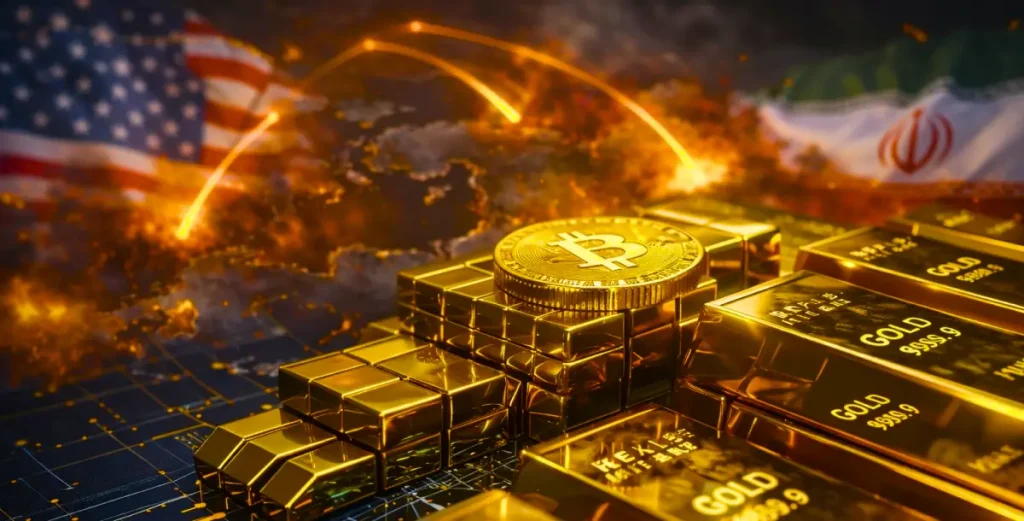
Early 2026 geopolitical tensions have rattled global financial markets, sending shockwaves across traditional and digital asset classes alike. As regional conflicts escalated in late February, crude oil prices saw an immediate 13% spike in early March, eventually surging over 40% as the closure of key shipping lanes triggered a historic supply shock.
Bitcoin (BTC) also experienced an immediate parallel shock, dropping near $63,000 before mounting a steady weekend rebound toward $68,600. Despite this acute market stress, investors poured $1.1 billion into spot Bitcoin ETFs in early March, signaling robust demand for strategic entry points.
This recent volatility highlights a crucial reality for modern investors. BTC behaves as both a short-term risk asset and a potential long-term macroeconomic hedge. For institutions and retail buyers looking to enter the market, navigating these price swings requires strong security practices, trusted trading platforms, and highly disciplined buying strategies.
How Geopolitical Events Impact Bitcoin Prices
Geopolitical events set off a chain reaction in cryptocurrency markets, driving sudden price shocks in commodities and raising inflation fears that keep interest rates high. In these crises, gold usually rallies, recently gaining up to 3.2% as investors seek safety, while Bitcoin often drops in the initial panic, mirroring equities with a short-term correlation of around 0.55 to the S&P 500.
However, Bitcoin’s recovery is notably swift: prices frequently rebound as investors search for alternative stores of value and protection against currency debasement. Rather than functioning as a true safe haven like gold, Bitcoin is typically treated as a short-term risk asset that, over time, can serve as an inflation hedge.
As global liquidity tightens, Bitcoin often mirrors high-beta tech stocks, moving with other risk assets and dipping during initial market panic—contrasting with gold’s typical safe-haven rally. While not a traditional safe haven, Bitcoin’s rapid recovery frequently attracts investors seeking alternatives to conventional financial systems and long-term protection against inflation.
Key Ways Bitcoin Prices Move During Escalations: Bitcoin’s role as a safe-haven asset remains debated. While gold reliably surges in times of crisis, Bitcoin usually drops alongside equities, highlighting its short-term risk asset status. However, Bitcoin’s recovery tends to be swift, with prices rebounding as investors seek alternative stores of value and long-term inflation protection.
- Intraday Volatility: During early 2026 geopolitical shocks, Bitcoin saw 4%–15% intraday swings, often dropping with equities during initial market panic.
- Capital Rotation: Gold typically surges in crises, while Bitcoin—seen more as a risk asset—tends to fall at first, reflecting its correlation with traditional markets.
- Rapid Recovery: Unlike gold, Bitcoin often rebounds quickly after sell-offs, as investors seek alternatives to protect their wealth against inflation and currency risks.
- Decentralized Asset Demand: As banking restrictions or monetary shifts emerge, demand for decentralized assets like Bitcoin increases.
Smart Strategies for Buying Bitcoin During Volatility
Executing a purchase during massive market swings requires patience and risk management. Adopting a structured approach prevents emotional decision-making.
Use Dollar-Cost Averaging
Attempting to buy the absolute bottom of a geopolitical dip is nearly impossible. Dollar-cost averaging involves buying smaller, fixed dollar amounts of Bitcoin on a regular schedule. This averages out your entry price over time and heavily reduces your exposure to sudden, unpredictable timing risks.
Avoid Buying During Breaking News
Financial markets aggressively overreact to geopolitical headlines. Initial reports of conflict or supply chain disruption frequently cause cascading liquidations. Wait for the volatility to settle. The most secure and advantageous entry points usually appear days after the initial panic subsides.
Use Limit Orders Instead of Market Orders
Placing a market order during a 15% intraday swing can result in severe price slippage, meaning you pay significantly more than you intended. Limit orders allow you to set the exact maximum price you are willing to pay, ensuring your trade only executes at your specified valuation.
A Simple Checklist for Buying Bitcoin Safely
| Category | Safe Approach | Risky Approach |
| Exchanges | Regulated, licensed platforms | Unlicensed offshore exchanges |
| Storage | Cold storage hardware wallets | Leaving funds indefinitely on exchanges |
| Buying strategy | Dollar-cost averaging | Panic buying during breaking news |
| P2P trading | Verified escrow systems | Direct transfers with unknown sellers |
| Compliance | Full KYC and AML records | Anonymous shadow transfers |
What Bitcoin’s Role in Global Finance Means for Investors
Bitcoin is rapidly cementing its position within the global financial infrastructure. Institutional adoption continues to accelerate, driven by the approval of regulated ETFs and increasing clarity from financial regulators worldwide.
As nation-states grapple with mounting debt and the inflationary fallout of geopolitical conflicts, the narrative surrounding BTC as a hedge against fiat currency debasement gains credibility. While regulatory oversight is certainly tightening across digital asset markets, this scrutiny ultimately brings safer trading environments and better custody technology to the end user.
Securing Your Digital Future Amidst Geopolitical Unrest
Acquiring BTC safely amid the geopolitical unrest of 2026 requires a calculated approach. By utilizing regulated platforms, transferring your assets into secure cold storage, and managing price volatility with disciplined strategies like limit orders and dollar-cost averaging, you can mitigate the primary risks of the crypto market.
Building a Foundation of Trust
Despite market shifts, digital assets continue to expand their role in modern portfolios. To capture the long-term value of this financial evolution, the strength of the underlying technology is non-negotiable.
ChainUp serves as a global infrastructure provider, powering the world’s most compliant and secure digital asset ecosystems. When selecting a partner for your digital future, look for platforms built on ChainUp technology, ensuring your ventures are supported by enterprise-grade security, seamless scalability, and rigorous regulatory standards.
Explore the Infrastructure Behind the World’s Leading Platforms