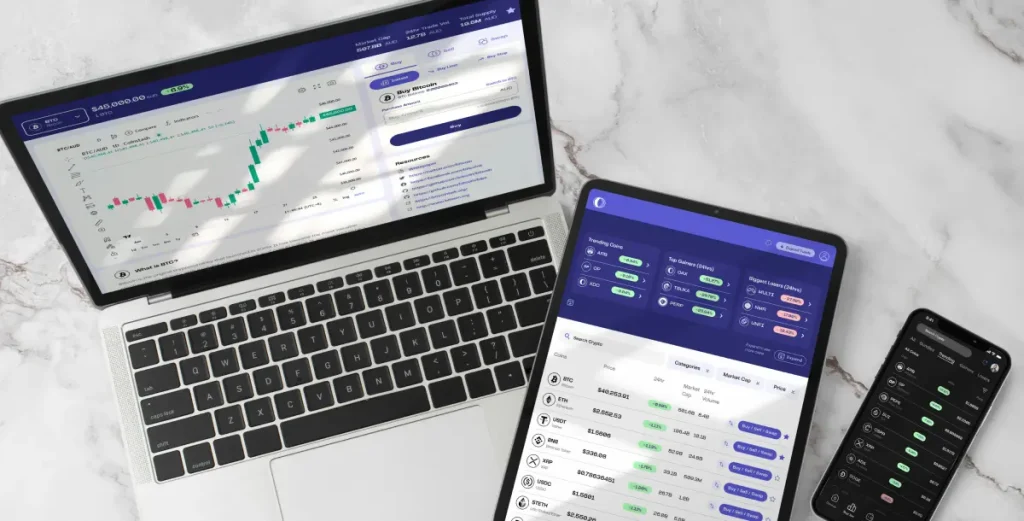
Crypto is no longer just an idea for day-to-day business purchases. It is now embedded in enterprise workflows. Thanks to the rise of sophisticated crypto debit cards, spending digital assets has become seamless, rewarding, and increasingly mainstream. These cards allow users to spend crypto anywhere Visa or Mastercard is accepted, with native support for Apple Pay and Google Pay enabling secure, contactless payments.
In fact, the global crypto payment gateway market is projected to grow from $1.32 billion in 2024 to $1.56 billion in 2025, reflecting an 18.2% growth. By the end of 2025, the market is expected to reach $5.5 billion, driven by increasing consumer adoption, with over 420 million people globally owning cryptocurrency. Businesses are also embracing crypto for its ability to reduce processing fees by 30–50%, settle payments in seconds, and eliminate chargebacks.
For businesses in exchanges, wallets, and Web3 platforms, crypto cards are more than a convenience; they’re a strategic opportunity. A well-designed card program can unlock new revenue streams, boost customer lifetime value, and drive user engagement. This guide breaks down how these cards work, their benefits, and what it takes to launch a successful program.
Why 2026 Is the Year Crypto Cards Finally ‘Just Work’
The journey from niche product to mainstream utility has been a long one for crypto cards. Several key developments have converged to make them not just functional, but genuinely compelling for both consumers and the businesses that serve them.
Consumer expectations: instant, secure, everywhere
Today’s consumers demand financial products that are fast, secure, and globally accepted. Early crypto payment solutions often failed on these fronts. Now, modern crypto cards meet these expectations head-on. Transactions are processed instantly at the point of sale, backed by the robust security of major card networks. Users can spend their digital assets as easily as they would with a traditional debit card, without any extra steps or delays.
Visa/Mastercard integration and the normalization of crypto payments
The single most important catalyst for crypto card adoption has been the direct involvement of payment giants like Visa and Mastercard. Their willingness to integrate crypto platforms into their networks has normalized crypto payments. This collaboration lends immense credibility to the space and assures merchants and consumers alike that these transactions are legitimate and secure. A Visa crypto card or Mastercard crypto card isn’t just a niche product; it’s a globally recognized payment tool.
Who’s Setting the Standard? A Snapshot of Top Crypto Cards in 2026
The competitive landscape for crypto cards is heating up, with major exchanges and platforms vying for market share.
- Kraken’s card stands out for its hybrid asset model, allowing users to spend from either crypto or cash balances and earn rewards on both.
- Crypto.com has built a massive user base by offering simplified, tiered rewards linked to staking its native CRO token.
- The Coinbase Card focuses on ease of use and offers rotating rewards on different categories of spending, though users should be mindful of conversion spreads.
- Other notable players like Binance Card, Wirex, and Bleap each offer unique value propositions, from cashback options to support for a wide range of assets.
For B2B players, these leaders offer valuable lessons in user experience, custody models, and the economics of building a sustainable rewards program.
Why B2B leaders should pay attention (LTV, activation, revenue)
For B2B leaders, the implications are profound. A crypto debit card turns a passive digital asset holding into an active, everyday financial tool. This frequent engagement dramatically increases customer (Lifetime Value) LTV. It also provides a compelling reason for dormant users to reactivate their accounts. By facilitating daily spending, platforms can generate new revenue from interchange and foreign exchange (FX) fees, creating a sustainable monetization model beyond trading fees.
Who’s Setting the Standard? A Snapshot of Top Crypto Cards
The competitive landscape for crypto cards is heating up, with major exchanges and platforms vying for market share.
- Kraken’s card stands out for its hybrid asset model, allowing users to spend from either crypto or cash balances and earn rewards on both.
- Crypto.com has built a massive user base by offering simplified, tiered rewards linked to staking its native CRO token.
- The Coinbase Card focuses on ease of use and offers rotating rewards on different categories of spending, though users should be mindful of conversion spreads.
- Other notable players like Binance Card, Wirex, and Bleap each offer unique value propositions, from cashback options to support for a wide range of assets.
For B2B players, these leaders offer valuable lessons in user experience, custody models, and the economics of building a sustainable rewards program.
How Modern Crypto Debit Cards Actually Work
At their core, crypto debit cards are designed to be simple for the end-user. Behind the scenes, however, a sophisticated process unfolds with every transaction.
Real-time crypto-to-fiat conversion at checkout
When a user taps or swipes their crypto card, the magic happens in an instant. The card issuer’s platform calculates the exact amount of crypto needed to cover the fiat purchase price at the current market rate. This amount is then sold, and the fiat currency is settled with the merchant through the card network. This real-time crypto conversion is invisible to both the cardholder and the merchant, making the experience identical to a traditional payment.
Funding models: fiat balance, crypto balance, or mixed-asset spending
Card programs offer different models for funding transactions:
- Fiat Balance: Users preload the card with fiat currency. Transactions settle entirely in fiat, with no crypto conversion at the point of purchase. Crypto, if supported, remains separate from card spending.
- Crypto Balance: The card draws directly from the user’s crypto holdings, converting them at the time of purchase.
- Mixed-Asset Spending: Advanced platforms allow users to hold both fiat and crypto, with the option to prioritize which asset is spent first. This hybrid model, seen with cards like Kraken’s, offers maximum flexibility.
Rewards engines: 1–5% in tokens, BTC, USDC, or fiat
One of the most attractive features of crypto cards is the lucrative rewards. While traditional cards offer points or miles, crypto cards often provide rewards of 1-5% or more, paid out in popular cryptocurrencies like Bitcoin (BTC), stablecoins like USDC, or the platform’s native token. These rewards are a powerful incentive for users to make the crypto card their primary spending tool.
Merchant acceptance and tap-to-pay (Apple Pay/Google Pay)
Since these cards run on the Visa and Mastercard networks, they are accepted by tens of millions of merchants worldwide. Integration with mobile payment systems like Apple Pay and Google Pay further enhances convenience, allowing for secure, contactless payments directly from a smartphone.
Asset prioritization, exclusions, and transparent FX
Behind every crypto card transaction is a rules-driven backend that governs how funds are sourced, routed, and settled in real time. At authorization, the card infrastructure evaluates available balances, available liquidity, and predefined routing logic to determine whether the transaction draws from fiat, triggers crypto-to-fiat conversion, or follows a hybrid funding path. These decisions occur within milliseconds and rely on integrated liquidity and FX engines to ensure sufficient depth, price accuracy, and execution reliability at scale.
From a platform perspective, this backend layer is also where revenue, risk, and compliance are managed. Transaction fees, interchange sharing, FX spreads, and conversion margins are applied programmatically as part of the lifecycle, creating predictable monetization on everyday spend. At the same time, MCC rules, transaction limits, and velocity checks reduce fraud and regulatory exposure, while transparent FX pricing and settlement logic support reconciliation, treasury oversight, and reporting. Together, these components define how a card program operates profitably and responsibly at scale.
The Economics Behind Rewards (and Why They Work)
How can crypto card issuers afford to offer such generous rewards? The answer lies in a combination of revenue streams.
- Interchange + FX spreads + token budgets: Every card transaction generates interchange fees, which are shared between the card network and the issuer. When a purchase involves a currency conversion, the issuer can also earn revenue from the FX spread. Finally, platforms may use a portion of their token marketing budget to fund rewards, viewing it as a customer acquisition and retention cost.
- How rewards fuel engagement loops and retention: Generous rewards create a powerful feedback loop. The more users spend, the more they earn, incentivizing them to use the card for all their daily purchases. This consistent engagement strengthens their connection to the platform and makes them less likely to switch to a competitor.
- Managing caps, tiers, and abuse prevention: To ensure the rewards program is sustainable, issuers must implement controls. This can include monthly earning caps, tiered reward rates based on the amount of native tokens a user holds or stakes, and robust systems to prevent fraud and abuse.
Why Crypto Cards Have Become a Strategic Growth Lever
A crypto card is far more than just a payment tool, it’s a cornerstone of a broader ecosystem strategy, driving user engagement, revenue growth, and platform differentiation. Here’s how crypto cards are transforming platforms into strategic growth engines:
- Driving Lifetime Value (LTV) with Everyday Spend
By positioning itself as the default card in a user’s wallet, a crypto card program can capture a much larger share of the user’s financial activity. Every transaction, whether it’s buying groceries, paying for subscriptions, or booking travel, deepens the user’s relationship with the platform. This consistent engagement not only increases transaction volume but also creates opportunities to cross-sell other services, such as staking, lending, or premium memberships. Over time, this significantly boosts the user’s lifetime value (LTV), making the card program a critical driver of long-term growth.
- Activating Dormant Balances
Many users hold crypto assets that sit idle in their wallets, either as long-term investments or due to a lack of practical use cases. A crypto card program provides a compelling reason for users to put these assets to work, converting them into everyday spending power. This re-engages users with the platform, encouraging them to actively manage their portfolios, explore additional features, and participate in the ecosystem. For platforms, this means higher user retention, increased transaction activity, and a revitalized user base.
- Strengthening Ecosystem Monetization
Crypto card programs create a consistent and diversified revenue stream that complements the often-volatile income from trading fees. With every transaction, platforms can earn interchange fees, FX conversion fees, or even a share of merchant rebates. Additionally, offering premium card tiers with enhanced benefits, such as higher rewards, exclusive perks, or lower fees, can generate subscription-based revenue. This steady income stream helps stabilize platform earnings, even during periods of low trading activity, making the business more resilient to market fluctuations.
- Differentiation Through Rewards, Custody, and User Experience
In a competitive market, a well-designed crypto card program can be a powerful differentiator. Platforms that offer superior rewards. Such as cashback in crypto, staking bonuses, or exclusive merchant discounts, can attract and retain users more effectively. A secure custody model, ensuring the safety of user funds, builds trust and confidence. Meanwhile, a seamless user experience, from intuitive card management tools to real-time transaction notifications, enhances customer satisfaction. Together, these elements create a compelling value proposition that sets the platform apart from competitors.
By integrating crypto cards into their ecosystem, platforms can unlock new growth opportunities, deepen user engagement, and build a more sustainable business model. These programs are no longer optional; they’re a strategic necessity for platforms looking to lead in the evolving financial landscape.
Spending Crypto Is Simple; Building the Right Card Program Is Strategic
The era of spending crypto in your business is here, and crypto debit cards are leading the charge. For exchanges, wallets, and Web3 platforms, they represent a pivotal opportunity to drive growth, enhance customer loyalty, and build a more sustainable business model. While the user experience has become remarkably simple, the strategic and operational considerations for launching a successful digital asset card program are more complex than ever.
If you’re exploring a branded crypto debit card program, partnering with an experienced infrastructure provider can accelerate compliance, issuer integrations, and launch timelines. ChainUp supports institutions across the exchange, wallet, and card-issuing stacks. Reach out to learn more.