A crypto wallet solution does more than “store your coins.” It stores and protects the private keys that prove ownership on the blockchain and sign transactions. How those keys are stored – online, offline, or somewhere in between – shapes your security, convenience, and the kind of crypto activity you can safely do.
Most guides talk only about hot and cold wallets. Institutions and serious crypto users increasingly use a three-tier setup: hot, warm, and cold wallets, each with a specific role.
This article breaks down what hot, cold, and warm wallets actually are, how they differ on security, speed, and usability, which crypto wallet solution fits different use cases (trader, long-term holder, Decentralized Finance (DeFi) user, business), and the practical best practices for combining them safely
What a Crypto Wallet Actually Does
A crypto wallet doesn’t hold coins the way a bank account holds cash. It holds keys:
- a private key / seed phrase that proves you own specific addresses
- the ability to sign transactions that move funds on-chain
If an attacker gets your private key, they can move funds and you cannot reverse it. That is why the core design question for any crypto wallet solution is: How close are my keys to the internet, and who controls them?
What Are Hot Wallets?
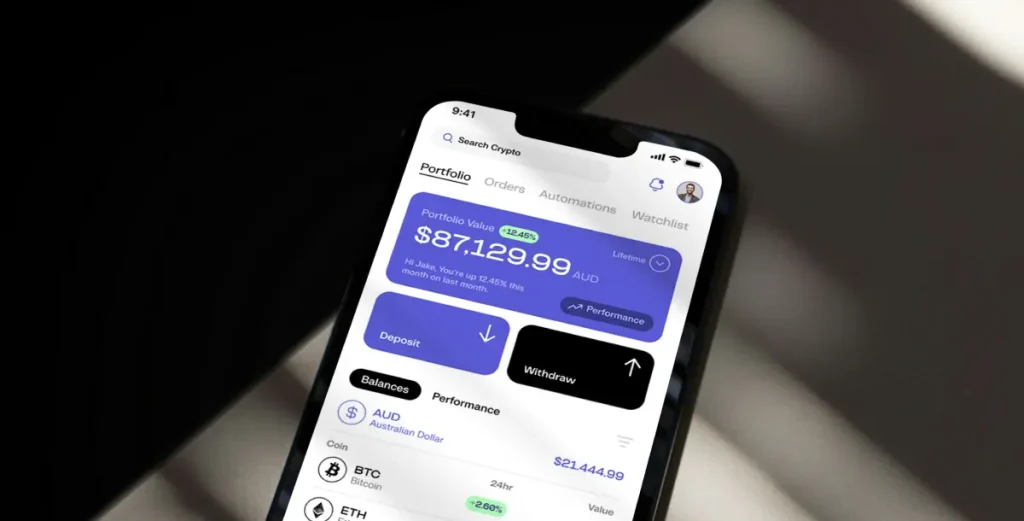
A hot wallet is a crypto wallet that stays connected to the internet. It’s usually software on your phone, browser, or exchange account. Your private keys or signing environment are online or very close to online.
Examples of hot wallets include:
- Mobile and browser wallets (e.g. MetaMask, Phantom, Trust Wallet)
- Exchange accounts and web wallets
- Many retail non-custodial software wallets
Pros and Cons Of Hot Wallets
Hot wallets are usually the first stop for anyone using crypto regularly. They sit closest to the internet, which makes them incredibly convenient for day-to-day activity, but that same connection also makes them more vulnerable than cold storage. Here’s a side-by-side view of the main advantages and drawbacks so you can decide how big a role a hot wallet should play in your overall crypto wallet solution:
| Aspect | Pros | Cons |
| Access & speed | Immediate access to funds; ideal for daily spending, active trading, and frequent DeFi interactions. | Always online, so any compromise of your device or connection can expose your wallet more easily. |
| Ease of use | App-like experience with QR codes, address books, and simple swap flows that feel familiar and intuitive. | Convenience can encourage “set and forget” habits—people often skip strict security because it feels like a normal app. |
| dApp integration | One-click connection to DeFi protocols, Non-Fungible Token (NFT) marketplaces, games, and L2s for smooth on-chain activity. | More connections to dApps mean more chances to sign malicious transactions if you’re not careful with permissions. |
| Security exposure | N/A | Higher exposure to online attacks: malware, phishing, fake sites, and platform exploits target devices with hot wallets. |
| Device dependency | N/A | Lost or compromised phones/browsers can put funds at risk if you don’t use strong passwords, PINs, or backups. |
| Fit for large holdings | Great for “spendable” balances you actively use. | Not suited for long-term or high-value storage; best practice is to keep only small, everyday amounts in a hot wallet. |
In practice, a hot-wallet-led crypto wallet solution works best for users who move funds often. Active traders who need frequent access to exchanges or Decentralized Exchanges (DEXs), DeFi and NFT users who sign transactions regularly, and people who want a small balance for everyday spending all benefit from the convenience of a good hot wallet, so long as they pair it with sensible limits and stronger storage for the rest of their portfolio.
What Are Cold Wallets?
A cold wallet keeps private keys fully offline: no internet connection, often on a dedicated hardware device, air-gapped machine, or even paper. This is generally considered the most secure way to hold significant value because online attack surface is minimal.
Examples of cold wallets include:
- Hardware wallets (Ledger, Trezor, Keystone)
- Air-gapped devices used only for signing
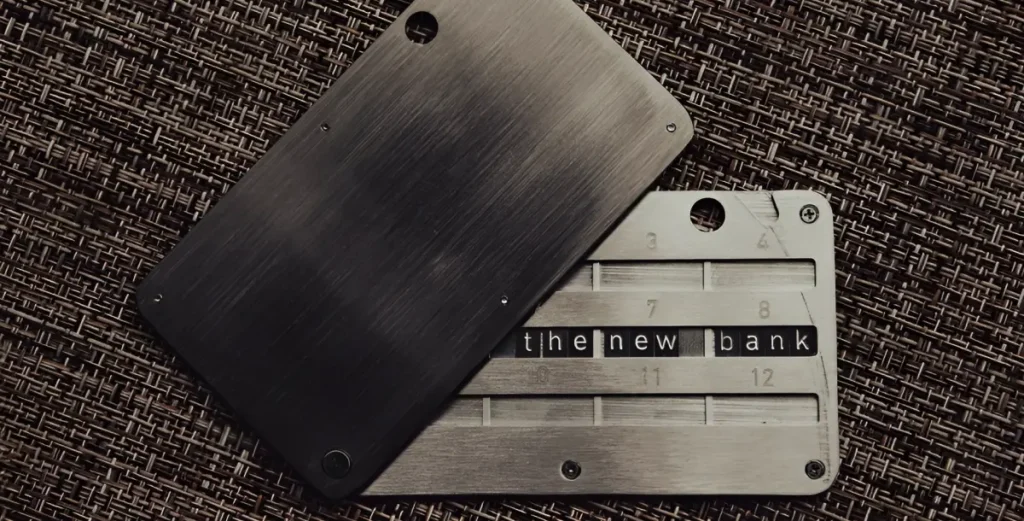
- Paper wallets and deep-cold storage arrangements (e.g., metal backups or secure vaults)
Pros and Cons of Cold Wallets
Cold wallets sit at the opposite end of the spectrum from hot wallets. They trade convenience for security by keeping your private keys completely offline. That makes them a foundational layer for any serious crypto wallet setup—especially for long-term reserves—but it also means more friction every time you move funds and more risk if the device itself is lost or damaged.
Here’s how the main advantages and drawbacks compare:
| Aspect | Pros | Cons |
| Protection from hacks | Very strong defence against online attacks because keys never touch an internet-connected device directly. | Offline design doesn’t protect you from human error (e.g. revealing seed phrase, bad backups, social engineering). |
| Long-term storage | Ideal for long-term reserves and assets you rarely move; well-suited to “vault” or savings use. | Extra steps for every move (plugging in hardware, confirming on-device) make it cumbersome for frequent adjustments. |
| Custody independence | Your keys don’t sit on any exchange or third-party platform, reducing exposure to exchange failures or freezes. | Requires you (or your organization) to handle secure storage, backups, and recovery processes instead of outsourcing them. |
| Transaction convenience | N/A | Less convenient for everyday use: each transaction involves connecting hardware or moving funds into a hot wallet first. |
| Operational & physical risk | N/A | Devices, seed phrases, and backups can be lost, damaged, or mishandled, potentially causing permanent loss if redundancy is poor. |
| Fit for active on-chain use | Excellent for “parked” holdings; pairs well with a smaller hot wallet for spending. | Not practical for high-frequency Trading or heavy DeFi use—too slow and clunky for constant signing and rapid execution. |
A cold-wallet-heavy crypto wallet solution works best when your priority is long-term safety over day-to-day convenience.
It’s a natural fit for long-term investors who plan to hold assets for years, high-value treasuries and institutional reserves that must stay protected regardless of market noise, and any funds you don’t need quick access to, essentially your “vault” holdings.
In these scenarios, you’re willing to accept extra steps for every transaction in exchange for much stronger protection. Security specialists consistently recommend this pattern: keep large, long-term balances in cold storage, and leave only smaller, spendable amounts in hot or semi-hot wallets for trading, DeFi, and daily use.
What Are Warm Wallets?
Warm wallets sit between hot and cold. Keys or key shares are held online or can be brought online rapidly, but additional controls (such as manual approval, multi-signature, or policy rules) are required before a transaction can go out. Institutions use warm wallets to combine quick withdrawals with stronger security than a pure hot setup.
Fireblocks and others describe warm wallets as: online-connected for transaction creation, but requiring human or policy-based approval to sign and broadcast.
Examples of warm wallets include:
- Multi-Party Computation (MPC) or multi-sig wallets with policy controls and whitelists
- Custodial “warm” infrastructure used by exchanges and fintechs
- Enterprise wallets where operations teams approve withdrawals
Pros and Cons Of Warm Wallets
Warm wallets sit in the middle of a tiered crypto wallet solution. They’re designed mostly for teams, treasuries, and platforms that need something faster than cold storage but safer and more controlled than a pure hot wallet. Think of them as “online with guardrails”: still connected, but wrapped in policies and approvals.
Here’s how the pros and cons stack up:
| Aspect | Pros | Cons |
| Speed vs security | Faster than cold storage but safer than pure hot: withdrawals and internal transfers can be processed quickly with checks. | Still online-exposed—keys or key material interact with internet-connected systems, so remote attack surface is higher than full cold. |
| Policy-driven controls | Supports limits, whitelists, time locks, and multi-approver flows, making it harder for attackers or insiders to move funds. | Misconfigured policies or poor governance can weaken protections; you need clear roles and operational discipline to use them well. |
| Fit for operations | Offers a strong operational balance: works well for businesses that need both speed and oversight in daily workflows. | Adds coordination overhead compared to a simple hot wallet, which may feel heavy for very small teams or solo operators. |
| Implementation complexity | N/A | More complex to set up and run—often requires specialised custody platforms, MPC or multi-sig tech, and integrations with existing tools. |
| Suitability by user type | Ideal for exchanges, fintechs, Decentralized Autonomous Organizations (DAOs), and treasuries managing recurring payouts or withdrawals. | Often overkill for small personal portfolios; most individuals can stay safe with a hot wallet + hardware wallet combo instead. |
A warm-wallet-centric crypto wallet solution makes the most sense for organizations that sit in the flow of funds every day. Exchanges and brokerages use warm wallets to process frequent user withdrawals without exposing all reserves to hot-wallet risk.
Fintech apps rely on them to let customers move balances on and off ramp quickly while still enforcing limits, whitelists, and approvals. DAOs and treasuries can route recurring payments, grants, and payroll through warm wallets so every transfer passes through defined controls instead of a single signer.
In practice, most professional custodians and large exchanges adopt a tiered architecture: hot wallets for user withdrawals and trading liquidity, warm wallets with policy rules for operational balances, and cold wallets for deep reserves and long-term storage.
Comparison of Hot vs Cold vs Warm Wallets
Once you understand what hot, cold, and warm wallets do individually, the next step is deciding how they fit together in your overall crypto wallet solution.
Each type solves a different problem: hot wallets prioritize access and flexibility, cold wallets maximize security for long-term storage, and warm wallets aim for an operational middle ground with policy controls.
The comparison below helps you see, at a glance, how they stack up on security, speed, convenience, and best-fit use cases so you can design a setup that matches how you actually use crypto.
| Feature / Factor | Hot Wallet | Warm Wallet | Cold Wallet |
| Internet connection | Always or mostly online | Online, but with added approval / policy layers | Fully offline or air-gapped |
| Typical form | Mobile app, browser extension, web wallet, exchange account | MPC / multi-sig platform, institutional wallet, policy-driven custody | Hardware device, paper wallet, deep-cold storage |
| Security level | Lowest of the three (highest online risk) | Medium–high (online, but controlled) | Highest against remote attacks |
| Speed & convenience | Instant access; best for frequent transactions | Fast for operational use but requires extra approvals | Slow; extra steps for each movement |
| Best for | Daily use, DeFi, small balances | Operational balances for businesses, exchanges, DAOs | Long-term reserves, “vault” holdings |
| Main risks | Hacks, malware, phishing, exchange breaches | Misconfigured policies, insider risk, platform exploits | Loss/damage of device or seed, operational mistakes |
| Who typically uses it | Retail traders, DeFi users, NFT collectors | Exchanges, custodians, fintechs, professional treasuries | Long-term investors, whales, institutional custodians |
How to Choose the Right Crypto Wallet Solution for Your Use Case
Instead of searching for a single “best” wallet, shape your crypto wallet solution around how you actually use crypto and how much risk you can genuinely accept.
The underlying cryptography behind major blockchains is extremely hard to break; most real-world losses come from human error—phishing, bad seed storage, rushed approvals, and poor device hygiene.
That means your habits matter more than any brand name on the wallet. Start with your behaviour—how often you trade, how deep you go into DeFi, and how long you plan to hold—and then match wallet types to those patterns, building routines that keep your day-to-day operations safe.
1. Active Trader or DeFi User
You trade often, use perpetuals or DEXs, stake or provide liquidity, and interact with dApps regularly across multiple chains or L2s. You care about fast execution and being able to sign transactions quickly without jumping through too many hoops.
- Use a non-custodial hot wallet (e.g. browser or mobile wallet) for DeFi and day-to-day Trading – This gives you the speed and flexibility you need to interact with DEXs, NFT marketplaces, and on-chain protocols in real time, while still keeping direct control of your keys instead of parking everything on a centralised exchange.
- Keep only the amount you reasonably need for near-term activity – Treat your hot wallet like a working capital account, not your entire net worth. Hold enough for current trades, gas, and DeFi positions, but move excess value out once you’re done with a strategy or narrative.
- Store surplus and long-term holdings in a hardware (cold) wallet – Larger profits, long-term conviction positions, and “do not touch” reserves belong in cold storage where they’re insulated from browser exploits, malicious dApps, and device compromises.
- For larger portfolios, consider connecting your hardware wallet to your hot wallet interface to sign transactions more safely – Using a hardware wallet with a browser/mobile interface lets you interact with DeFi while keeping keys on the device. It adds one extra step per transaction, but it significantly reduces the risk of a single compromised laptop or extension draining your entire stack.
2. Long-Term Investor
You buy, hold for years, and move assets infrequently. You care more about security and survivability through multiple market cycles than about reacting to every short-term move.
- Use a cold wallet (hardware or deep-cold setup) as your primary store – Make your hardware or deep-cold wallet the main home for your crypto. This is where you park core positions you don’t plan to touch often, so they stay insulated from exchange failures, browser exploits, and day-to-day device risks.
- Maintain a small hot wallet for occasional transfers or cash-outs – Keep a lighter hot wallet for the rare times you need to move funds, rebalance, or convert to fiat. Treat it like a spending or “bridge” account rather than a long-term storage solution.
- Focus on secure backup of seed phrases and physical protection of devices, as loss here can be irreversible – Your biggest job is operational: store seed phrases and recovery backups in secure, redundant locations, protect hardware from damage or theft, and make sure trusted heirs or partners know how recovery works. For a long-term investor, a lost seed can be more dangerous than a temporary drawdown.
3. NFT Collector or Web3 Power User
You mint and trade Non-Fungible Tokens ( NFTs), explore new dApps regularly, and often operate across multiple chains and Layer 2s. You sign a lot of transactions and touch many smart contracts, some of which may be untested.
- Use a dedicated hot wallet for interacting with new smart contracts to reduce risk to your main funds. – Treat one hot wallet as your “experimental” or “minting” wallet. Use it for new mints, unfamiliar DeFi protocols, and early-stage projects, so if a contract is malicious or buggy, it can’t drain your main holdings.
- Keep higher-value assets and long-term holdings in a hardware wallet, even if you connect it via browser for signing. – Store blue-chip NFTs, high-value tokens, and long-term positions on a hardware wallet. You can still connect it to marketplaces or dApps when needed, but keys stay on the device, giving you a much stronger security baseline.
- Segment wallets by purpose (e.g. “minting” wallet vs “vault” wallet) to limit damage from a bad contract. – Create clear roles: one wallet for risky experiments, another for active trading, and a “vault” wallet for long-term storage. This separation means a compromised contract or phishing mistake in one wallet doesn’t automatically threaten everything you own.
4. Business, DAO, or Institutional Treasury
You manage company or treasury funds, handle payroll or payouts, or run an exchange/fintech. You’re responsible for other people’s money, answer to regulators or tokenholders, and need strong controls, not just personal convenience.
Industry practice and custody providers typically recommend a tiered architecture:
- Hot wallets for user deposits/withdrawals and small operational balances – Hot wallets sit at the edge of your system to receive deposits quickly and process user withdrawals or day-to-day payments. They hold only the minimum working balance needed for smooth operations, so even if something goes wrong at the hot layer, the blast radius stays limited.
- Warm wallets with multi-sig or MPC and strict policies (limits, whitelists, dual control) for day-to-day treasury operations – Warm wallets act as your operational treasury layer. Multi-sig or MPC, combined with policies like per-transaction limits, address whitelists, and dual approval, ensures no single person or compromised device can move large amounts without checks. This is where you manage recurring payouts, liquidity top-ups, and internal transfers under clear governance.
- Cold wallets for deep reserves, long-term runway, and strategic holdings – Cold storage is your last line of defence and your safety net. It’s where you park long-term runway, strategic assets, and excess capital that doesn’t need to move often. Access should be tightly controlled, with clear policies, multiple senior approvers, and tested recovery procedures—not something a single person can bypass with a laptop and a seed phrase.
For companies, funds, and treasuries, that usually means using institutional-grade custody rather than trying to “DIY” hardware wallets at scale. Professional custodians bring multi-party computation (MPC), segregation of client assets, insurance, compliance controls, and 24/7 operational support, so your team can focus on strategy while specialists handle key management, access policies, and disaster recovery.
In this context, your crypto wallet solution stops being “which wallet app should we use?” and becomes a full policy and infrastructure stack: layered wallets, clear roles and permissions, audited processes, monitoring, and compliance workflows designed to protect the organisation as a whole.
Security Best Practices Across All Wallet Types
Regardless of how you mix hot, warm, and cold wallets, a safer crypto wallet solution rests on a few habits that matter more than any single product or brand.
1. Use strong, unique passwords and 2FA on any custodial or hot wallet account.
Treat exchange logins and web wallets like online banking: long, unique passwords stored in a password manager, not reused anywhere else, plus app-based Two-Factor Authentication (2FA) (e.g. authenticator apps) instead of SMS. This blocks a big chunk of brute-force and credential-stuffing attacks before they even touch your funds.
2. Protect seed phrases and backups properly.
Your seed phrase is the master key to your wallet. Never store it in plain text online (no screenshots, no cloud docs, no email drafts). Write it down or use hardware-secured or metal backup solutions, and keep copies in safe, separate locations. Anyone who gets that phrase controls your funds, and there’s no “forgot password” button on-chain.
3. Beware of phishing and fake apps.
Most real-world losses start with tricking the user, not breaking the cryptography. Always double-check URLs, bookmark official sites, and verify contract addresses from trusted sources. Only download wallets and apps from official stores or the project’s official links. If a site or DM is pressuring you to connect or sign “right now,” that’s a red flag.
4. Keep devices clean and up to date.
Your security is only as strong as the phone or laptop you use. Regularly update your OS and browser, run reputable antivirus or endpoint protection, and avoid sketchy browser extensions, cracked software, or random Android Package Kits (APKs). Reducing junk on your device shrinks the attack surface around your wallets.
5. Test with small transfers first on new wallets, chains, or bridges.
Any time you use a new wallet app, bridge, or chain, send a tiny test transaction first. Confirm that funds arrive where expected, addresses are correct, and the decentralized application (dApp) behaves as advertised. That one extra step can prevent expensive mistakes caused by typos, misconfigured networks, or malicious contracts.
6. Segment funds across different wallets and purposes.
Don’t put everything in one place. Use separate wallets for Trading, DeFi experiments, NFT minting, and long-term storage. That way, if a hot “play” wallet is compromised or a contract goes bad, your main holdings in a vault or hardware wallet remain untouched. Segmentation turns a potential total loss into a contained incident.
Building a Tiered Crypto Wallet Solution
Hot, warm, and cold wallets each cover a different part of the security–convenience spectrum, but most teams can’t safely design and run that architecture alone. In practice, you want clear policies for what lives where: hot wallets for trading, DeFi, and day-to-day flows; warm wallets for operational balances with rules and approvals; and cold wallets or institutional custody for deep reserves and long-term runway.
Getting that mix right is less about tinkering with individual apps and more about having a structured wallet management layer that enforces limits, approvals, and separation of duties across all three tiers.
That’s where institutional-grade custody and white-label MPC (multi-party computation) wallets come in. Instead of building your own key management and policy engine, you plug into a provider like ChainUp that already ships MPC key splitting, role-based approvals, segregated accounts, and audit-ready logging on top of hot, warm, and cold wallet orchestration.
Your users see a simple, reliable wallet experience; under the hood, you get a tiered wallet solution that matches how your business actually operates, with professional infrastructure handling the critical security and compliance pieces
A sensible crypto wallet solution doesn’t pick one and ignore the rest—it layers them:
- Hot for spending, trading, and on-chain activity
- Warm (where relevant) for treasury operations and recurring flows
- Cold for long-term savings, reserves, and strategic holdings
The starting point isn’t “Which wallet brand is best?” but what you actually do with crypto: how often you move funds, what size of loss you can realistically afford, and whether you’re managing only your own assets or other people’s money as well.
From there, you can design a wallet mix that matches your behaviour and risk tolerance instead of forcing everything through a single app.
If you’re building an exchange, fintech app, or institutional product and need this tiered model at scale, you can lean on infrastructure providers like ChainUp. Our MPC wallet solution supports hot, warm, and cold wallet segregation with policy controls such as limits, whitelists, and multi-approver flows, helping businesses implement multi-layer security without rebuilding everything from scratch.