In the world of cryptocurrency and digital asset management, selecting the right wallet is the most critical step in securing your assets. As blockchain technology matures, the options have expanded from basic Hot and Cold wallets to advanced MPC and Multi-Sig solutions. This article dives deep into the characteristics of each wallet type to help you make an informed decision.
Foundational Concepts: Keys and Custody Models
At its core, every cryptocurrency wallet revolves around a cryptographic pair: the Public Key and the Private Key. Think of the Public Key as your bank account number—it can be shared openly to receive funds. The Private Key, however, is the ultimate credential used to access and control those assets; it must never be compromised.
Based on who controls the private key, wallets fall into two categories:
-
Custodial Wallets: These entrust the user’s private keys to a third-party service provider, similar to a traditional bank. This simplifies the user experience, but it means the user does not have ultimate sovereignty over their assets.
-
Non-Custodial Wallets: These grant users full autonomy. By holding their own private keys, users achieve true Self-Custody. This model aligns with the core crypto ethos of “being your own bank,” though it comes with the weight of personal responsibility.
Understanding Wallet Types
Hot Wallets vs. Cold Wallets
-
Hot Wallets: Connected to the internet, these wallets offer high convenience for frequent trading but face greater cybersecurity risks. They are best suited for small amounts of “spending money.”
-
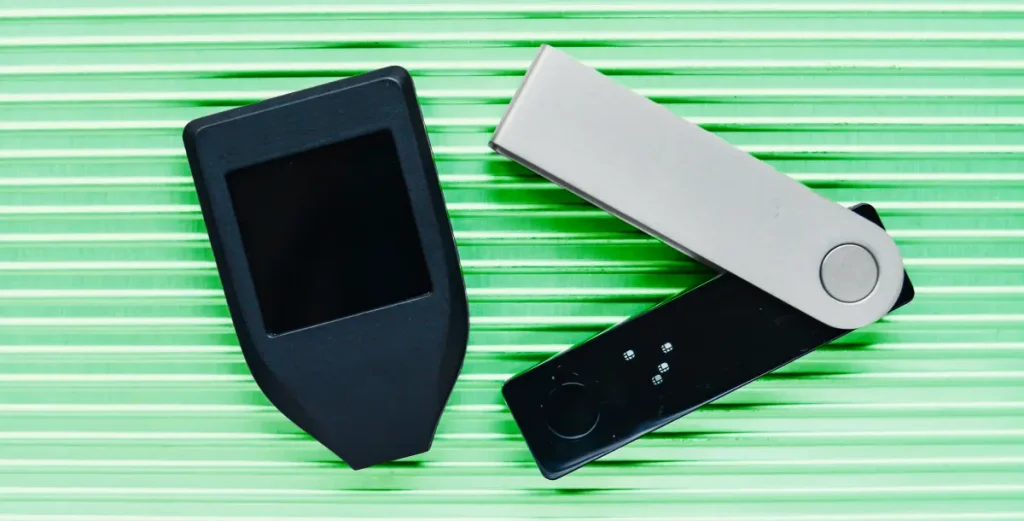
Cold Wallets: These are entirely offline storage solutions, typically in the form of hardware devices. As they are air-gapped from the network, they are highly resistant to hacking, making them ideal for the long-term storage of significant holdings.
-
Warm Wallets: Emerging as a middle ground, warm wallets use a hybrid architecture—keeping keys partially offline and partially online—to balance security with operational liquidity.
Advanced Solutions: MPC and Multi-Sig
As the requirements for Digital Asset Custody grow more complex, enterprise and institutional users require more sophisticated frameworks.
-
Multi-Party Computation (MPC) Wallets: Using Multi-Party Computation technology, these wallets split a private key into multiple “shards” distributed among different parties. Transactions are authorized through a collaborative computation without ever reconstructing the full key in one place, effectively eliminating the “Single Point of Failure.” Enterprise-level MPC wallets are particularly suited for institutions, offering security frameworks that meet rigorous regulatory standards.
-
Non-Custodial MPC Wallets: This represents one of the most advanced self-custody solutions available today, combining the distributed security of MPC with the autonomy of non-custodial ownership.
-
Multi-Signature (Multi-Sig) Wallets: These require multiple independent private keys to authorize a transaction. For example, a “2-of-3” multi-sig wallet requires at least two out of three pre-set keys to sign off. This mechanism is perfect for team-based asset management or adding an extra layer of security to personal accounts.
How to Choose the Right Wallet
For Individual Users
For small, daily transactions, a Hot Wallet provides sufficient convenience. However, for your primary holdings, a Cold Wallet or a Non-Custodial MPC Wallet is the safer bet. Users who value absolute sovereignty should always prioritize non-custodial options.
For Enterprises and Institutions
Organizations managing large-scale cryptocurrency custody require the institutional-grade security found in Enterprise-level MPC and Multi-Sig wallets. These solutions support complex permission settings, audit trails, and compliance requirements while ensuring the underlying assets remain secure.
Security Best Practices
Regardless of the wallet you choose, adhering to these fundamental principles is vital:
-
Backup Your Seed Phrase: Write your recovery phrase on paper and store it in multiple secure, physical locations.
-
Diversify Storage: Avoid keeping all your assets in a single wallet.
-
Keep Software Updated: Regularly update your wallet software to patch potential security vulnerabilities.
-
Stay Vigilant Against Phishing: Never share your private keys or seed phrases with anyone.
-
Consider Insurance: For massive holdings, investigate specialized cryptocurrency insurance.
The Road Ahead
As the digital asset custody market matures, wallet technology will continue to evolve. We expect to see a surge in product innovation integrating multi-party computation, leading to solutions that strike a superior balance between institutional-grade security and a seamless user experience. The rise of the self-custody movement will drive the development of more accessible non-custodial solutions, empowering every user to securely manage their own digital future.
Choosing the right wallet is a balance of security, convenience, and control. By understanding these technologies and their specific use cases, you can ensure your digital assets remain safe in this fast-moving era.