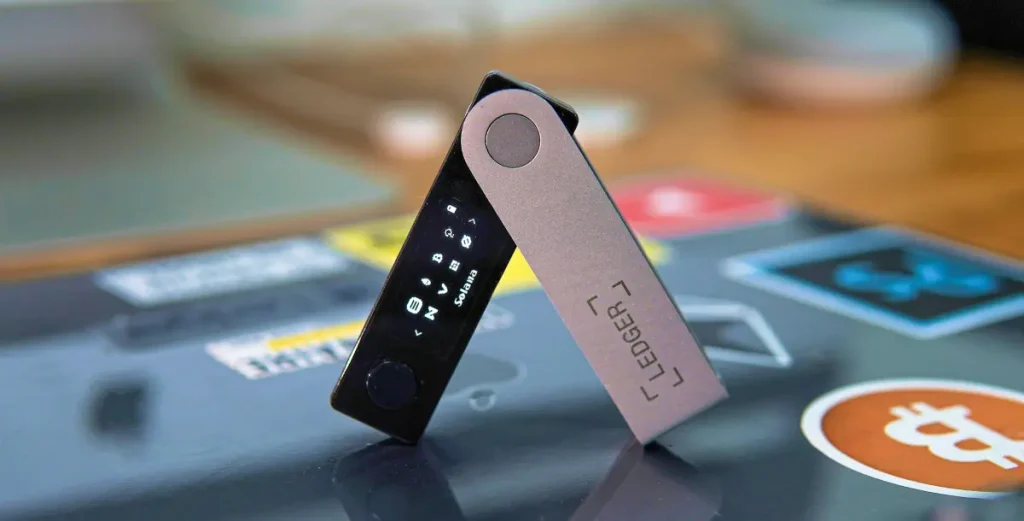
In late 2022, the collapse of FTX sent shockwaves through the crypto world, leaving millions of users unable to access their funds. It was a harsh wake-up call that reignited a crucial conversation in the industry: “Not your keys, not your coins.” Since then, the demand for true ownership has surged, making self-custody wallets one of the most important tools for anyone entering the digital asset space.
But what exactly is a self-custody wallet, and why does it matter for the future of crypto adoption? Let’s strip away the jargon and look at how this technology puts power back into the hands of the user.
What Does Self-Custody Mean?
At its simplest level, a self-custody wallet (also known as a non-custodial wallet) is a digital wallet where you hold the private keys.
Think of it like cash in a physical safe versus money in a bank account. When you put money in a bank, the bank technically owns it and owes you a debt. They can freeze your account, limit your withdrawals, or—in rare cases—go bankrupt. When you put cash in a safe at home, you have total control. No one can stop you from accessing it, but if you lose the combination, no one can help you recover it.
In the crypto world, self-custody means you are your own bank. You interact directly with the blockchain. There is no middleman to approve your transactions or safeguard your assets. This grants you absolute freedom and responsibility over your Bitcoin, Ethereum, or other digital currencies.
Why Self-Custody Matters for You and Your Users
For businesses building crypto solutions, offering self-custody isn’t just a feature—it’s a philosophy that empowers the end-user. Whether you are an individual investor or a platform provider, understanding the benefits of this model is essential.
True Ownership of Assets
The primary benefit is uncompromised ownership. When users utilize a self-custody wallet, their assets live on the blockchain, not in a centralized database. This eliminates the risk of an exchange freezing funds due to liquidity issues or regulatory pressure. For your users, this peace of mind is invaluable.
Enhanced Privacy and Anonymity
Custodial exchanges often require extensive personal information (Know-Your-Customer KYC) to set up an account. Self-custody wallets typically do not require personal data to generate an address. This preserves user privacy, a core tenet of the original cryptocurrency vision.
Access to the Decentralized Web (Web3)
A self-custody wallet is the passport to Web3. You cannot easily interact with decentralized applications (dApps), Non Fungible Token NFT marketplaces, or Decentralized Finance (DeFi) protocols using a centralized exchange account. A self-custody wallet connects directly to these services, allowing users to swap tokens, stake assets, and play blockchain games seamlessly.
Eliminating Counterparty Risk
By removing the custodian, you remove the “single point of failure.” Users don’t have to worry about a platform’s solvency or internal management. The safety of the funds depends entirely on the security of the private keys and the smart contracts they interact with.
Security Features: What Makes a Wallet Secure?
If you are “being your own bank,” security is paramount. Modern self-custody wallets rely on several core security components to keep digital assets safe from theft and loss.
Private Keys and Seed Phrases
The private key is a long string of alphanumeric characters that authorizes outgoing transactions. Since these are hard to remember, wallets generate a “seed phrase” (usually 12 or 24 random words). This phrase is the master key. If a phone is lost or a computer crashes, the wallet can be fully restored on a new device using just this phrase.
Multi-Party Computation (MPC)
Advanced wallet solutions use Multi-Party Computation. Instead of a single private key sitting in one place (which creates a risk if that specific device is hacked), MPC splits the key into multiple “shards.” These shards are distributed across different devices or servers. A transaction is signed by combining these shards without ever reconstructing the full key, significantly reducing the risk of theft.
Multi-Signature (Multi-Sig) Logic
This feature acts like a vault that requires two different keys to open. In a multi-signature (multisig) setup, a transaction might require approval from multiple devices before it executes. This is excellent for preventing unauthorized transfers if one device is compromised.
Biometric Authentication
To prevent physical access attacks, mobile self-custody wallets often integrate with the device’s security hardware, requiring FaceID or a fingerprint to open the app or sign a transaction.
The Trade-Offs: Responsibility vs. Convenience
While self-custody offers freedom, it comes with a steep learning curve. The biggest risk is human error. If a user loses their seed phrase, the funds are gone forever—there is no “forgot password” button on the blockchain.
For businesses looking to integrate these features, the challenge is balancing this security with user experience. Solutions like white-label wallet infrastructure help bridge this gap, offering robust security protocols while maintaining a user-friendly interface that doesn’t overwhelm the average consumer.
Is Self-Custody Right for Your Strategy?
The shift toward self-custody is reshaping the crypto landscape. It offers users transparency, security, and direct access to the global DeFi economy. For enterprises and developers, integrating self-custody features can build trust and unlock new functionalities for users who demand control over their financial destiny.
However, it requires a robust technical foundation. Building a secure wallet from scratch is risky and resource-intensive. Leveraging proven infrastructure allows you to deploy secure, scalable wallet solutions without reinventing the wheel.
Ready to build secure wallet infrastructure? Discover how ChainUp can help you deploy enterprise-grade self-custody and MPC wallet infrastructure systems for your platform today.